Pokémon Pack Guide: Every Product Type, Honestly Explained
Last reviewed:
Quick answer
Pokémon sells the same 10-card booster pack in many wrappers: booster boxes (36 packs) for volume, Elite Trainer Boxes (9 packs plus accessories), booster bundles (6 packs, no extras), and tins and collections that pair packs with promos. The best buy depends on your goal — boxes for per-pack price, bundles for casual opening, ETBs for new players and gifts. Special sets like Prismatic Evolutions and 151 skip standard booster boxes entirely.
One pack, many products
Almost every Pokémon product is a different bundle of the same thing: the 10-card booster pack. There is no official evidence that packs from different products carry different odds, so the smart way to compare products is simple — count the packs, price the extras, and divide. What follows is each product type and who it actually suits.
The product lineup at a glance
| Product | Packs | Extras | Best for |
|---|---|---|---|
| Booster pack | 1 | — | Sampling, gifts, small budgets |
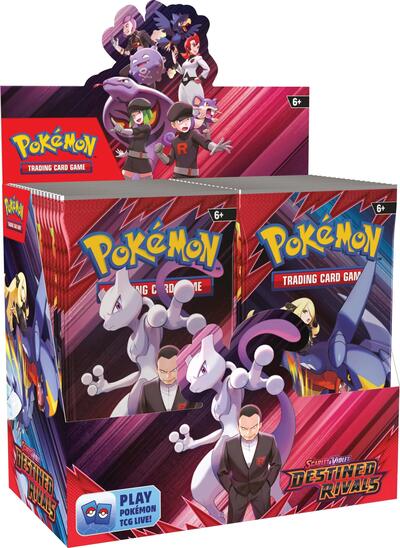
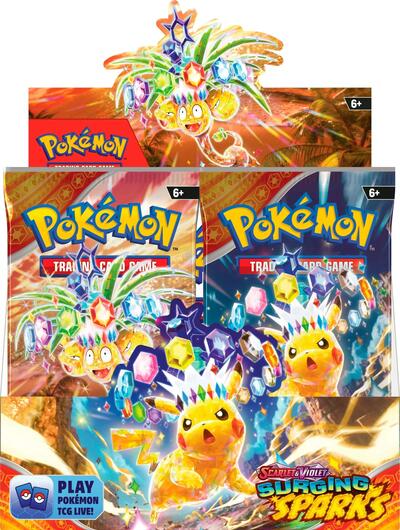
| Booster box | 36 | — | Volume opening at the best per-pack price |
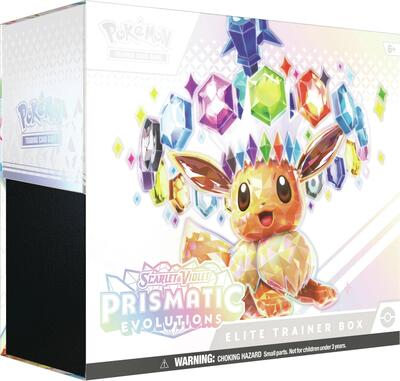
| Elite Trainer Box | 9 | Sleeves, dice, energy, promo, storage box | New players, gift buyers, promo collectors |
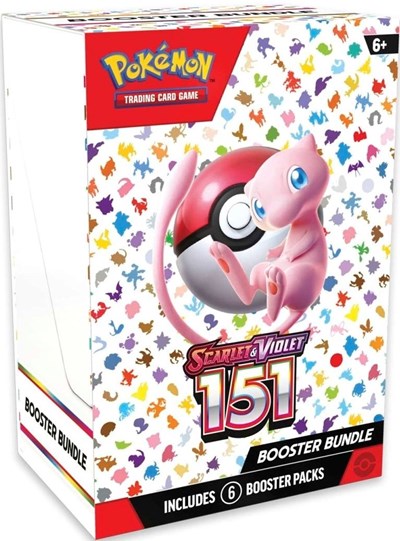
| Booster bundle | 6 | — | Casual opening without accessory markup |
| Tins & collection boxes | 4–6 (varies) | Promo cards, oversized cards | Fans of the featured Pokémon |
| Special set products | Varies | Set-dependent | See special sets below |
Booster boxes: the volume option
A standard English booster box holds 36 packs and usually posts the lowest per-pack price of any product. It is the right buy when you already know you want a lot of one set. Note the regional difference: Japanese booster boxes hold 30 packs with a different pack structure, and Japanese products are their own topic.
ETBs, bundles, tins and collections
The Elite Trainer Box (9 packs plus accessories and a promo) is the flagship gift product — good for new players who need supplies, poor per-pack value for veterans. Booster bundles (6 packs, nothing else) are the honest middle: usually cheaper per pack than an ETB or loose packs. Tins and collection boxes pair a few packs with fixed promo cards; buy them when you want the promo, not for the pack math.
Special sets: different rules
Some sets — Prismatic Evolutions and 151 among them, like Crown Zenith before — are released without standard 36-pack booster boxes in English. Their packs come only through ETBs, bundles, collections and similar products, which concentrates demand and keeps per-pack prices high. For these sets, the booster bundle is often the cleanest way to buy packs, and patience around restocks matters more than product choice.
What you are chasing: IRs and SIRs
The modern chase structure centers on the illustration tiers: Illustration Rares (community-observed around 1 in 6–8 packs) and Special Illustration Rares (observed around 1 in 40–90 packs, varying by set), topped by gold Hyper Rares. Popular SIRs carry most of a set’s chase value — and for any single one of them, buying the card outright is usually cheaper than a realistic attempt to pull it.
Estimates, not guarantees
Pull statistics are community-observed estimates and may vary by set and print run. Opening packs is random; no Pokémon product guarantees a specific card.
Honest recommendations by buyer
- New player: one League Battle Deck or Battle Academy, then a booster bundle of a current set.
- Casual opener: booster bundles of whichever set’s art you love; a booster box once you know you want volume.
- Chase hunter: price the single first; if opening anyway, prefer sets whose IR/SIR lineup you would be happy hitting broadly.
- Gift buyer: an Elite Trainer Box — self-contained and reliably well received.
- Sealed collector: buy products you would happily keep unopened forever; future prices are unknowable.
Warning
Buy sealed Pokémon product from reputable retailers only. Prices far below market, weighed loose packs, and resealed boxes are established scam patterns.