Understanding Rarity: Every Tier in the Six Major TCGs
Last reviewed:
Quick answer
Rarity describes how often a card type appears in packs, from commons (several per pack) up to chase tiers that appear once in dozens of packs or less. Each game names its tiers differently — Pokémon tops out at Special Illustration and Hyper Rares, Magic at Mythics with premium treatments, Yu-Gi-Oh! at Quarter Century Secrets, Lorcana at Enchanted. Higher rarity generally means lower pull odds and higher price, but demand, not rarity alone, sets a card’s value.
What rarity actually controls
Rarity is a printing decision: it sets how many copies of a card enter circulation relative to others in the set. That frequency shapes pull odds and, together with demand, market price. The key nuance beginners miss: rarity sets supply only. A hard-to-pull card nobody wants stays cheap, while a heavily played uncommon can outprice lightly played rares.
Pokémon TCG
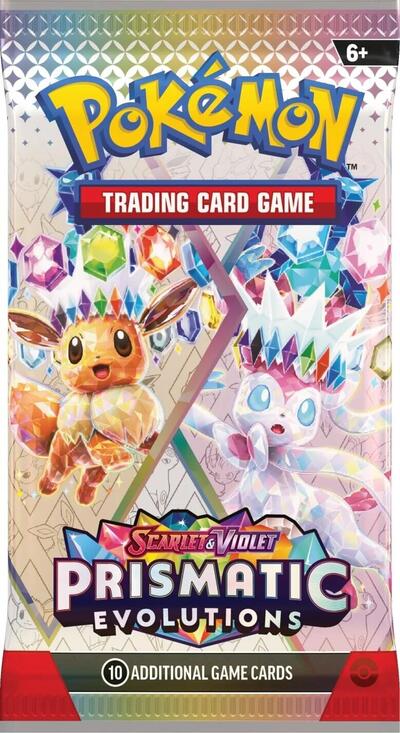
Modern Pokémon runs Common, Uncommon, Rare, Double Rare (the "ex" cards), Ultra Rare (full-arts), Illustration Rare, Special Illustration Rare, and Hyper Rare (gold). The chase lives in the illustration tiers: Illustration Rares are community-observed around 1 in 6–8 packs, while Special Illustration Rares — the marquee alternate arts — are observed around 1 in 40–90 packs depending on the set.
Magic: The Gathering
Magic keeps a compact ladder — Common, Uncommon, Rare, Mythic Rare — with Wizards publishing that mythics occupy roughly 1 in 7–8 rare slots (varying by set). The modern chase layer sits on top as treatments rather than tiers: borderless, showcase and serialized versions of cards, concentrated heavily in Collector Boosters.
Yu-Gi-Oh!
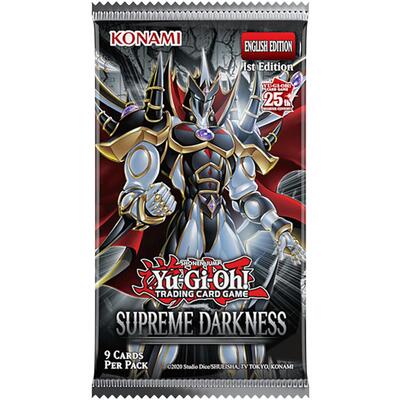
Core Yu-Gi-Oh! sets use Common, Super Rare, Ultra Rare and Secret Rare, distinguished by foiling on art and card name. The premier modern chase is the Quarter Century Secret Rare, a 25th-anniversary foil observed at roughly one per 24-pack booster box.
One Piece Card Game
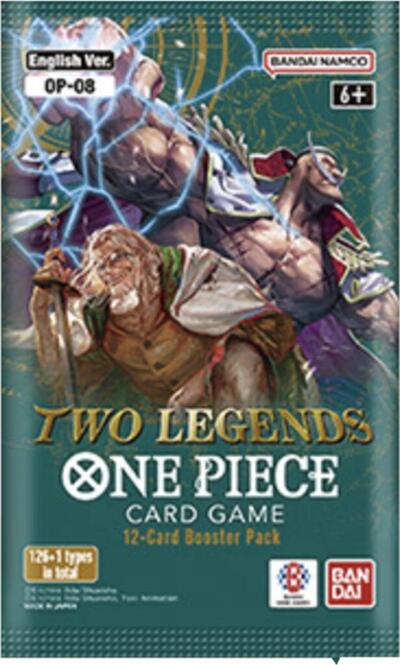
One Piece runs Common, Uncommon, Rare, Super Rare and Secret Rare, with Secret Rares numbered above the main set count and observed at roughly 1–2 per box. Above them sit the Manga Rares and alternate arts — manga-panel-styled chase cards that often take multiple boxes per hit in community data and anchor the game’s collector market.
Disney Lorcana and Star Wars Unlimited
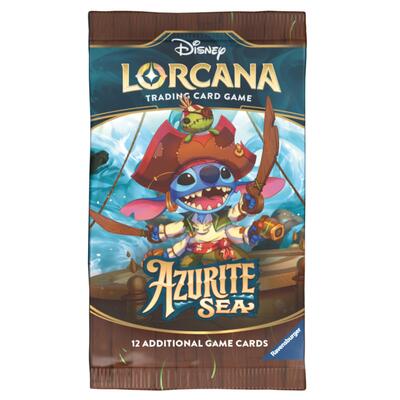
Lorcana uses Common, Uncommon, Rare, Super Rare and Legendary as its standard ladder, plus Enchanted — full-art foil chase versions observed around 1 in 80–100 packs and the game’s defining chase. Star Wars Unlimited runs Common, Uncommon, Rare and Legendary, with Showcase treatments as the premium chase — alternate-art versions rare enough that community data puts them at multiple boxes per hit.
| Game | Top chase tier | Observed frequency (estimate) |
|---|---|---|
| Pokémon | Special Illustration Rare | ≈ 1 in 40–90 packs |
| Magic | Serialized / premium treatments | Concentrated in Collector Boosters; varies |
| Yu-Gi-Oh! | Quarter Century Secret Rare | ≈ 1 per booster box |
| One Piece | Manga Rare / alt art | Often multiple boxes per hit |
| Lorcana | Enchanted | ≈ 1 in 80–100 packs |
| Star Wars Unlimited | Showcase | Multiple boxes per hit |
Estimates, not guarantees
All frequencies above are community-observed estimates, not official odds, and can vary by set, region and print run. Stats are estimates, not guarantees.
What rarity means for your buying
Two practical takeaways. First, know which tier you are actually chasing before you buy — "I want an Illustration Rare" and "I want this Special Illustration Rare" are different projects with wildly different odds. Second, for top-tier chases in any game, the single almost always costs less than a realistic attempt to pull it. Rarity tiers are the map; the singles market is usually the road.