Skip to content

TCG Pax uses affiliate links. We may earn a commission from TCGplayer at no extra cost to you. Learn more

TCGPax

Best Packs for Chase Cards: The Honest Hunter’s Guide

Last reviewed:

Quick answer

The honest first rule of chase hunting: price the single before you open anything — for any one specific card, buying it outright is more predictable and usually cheaper than pulling it. Sealed makes sense when you would enjoy the packs regardless, when you want many cards from one set, or in premium lines like Collector Boosters where the treatments you want are concentrated. Estimated odds never guarantee a hit.

Rule one: price the single first

Before buying a single pack in pursuit of a card, look up what that card sells for as a single. Then compare it with the realistic cost of pulling it: a card observed around 1 in 100 packs implies an expected spend of roughly 100 pack-prices to average one copy — often several times the single’s market price. This comparison kills most "I’ll just open packs until I get it" plans on contact, and it is the most useful thirty seconds in this hobby.

Warning

If you only want a specific card, buying the single is more predictable than opening sealed packs. No pack or box guarantees a specific card, at any budget.

When sealed still makes sense for chasers

  • You would enjoy the packs anyway: if opening is fun for you at that price, the chase is a bonus on top of entertainment you already valued.
  • You want breadth plus the chase: a box gives you the set’s playable spread, trades, and lottery tickets in one purchase.
  • The chase is broad, not specific: hunting "any Illustration Rare from this set" hits far more often than hunting one exact card.
  • The card barely exists as a single: for brand-new or extremely scarce cards, listings can be thin — though patience usually beats packs even then.

Choosing which set to open

If you have decided sealed is right for you, pick sets where the chase tier you care about is comparatively common. Community-observed rates differ by set and game: Pokémon Illustration Rares are observed around 1 in 6–8 packs, while Special Illustration Rares sit near 1 in 40–90; Lorcana Enchanted cards are observed around 1 in 80–100 packs; Yu-Gi-Oh! Quarter Century Secret Rares around one per box. A set whose "fun tier" hits often delivers more enjoyment per pack even when the top chase stays out of reach.

Premium products: the Collector Booster tradeoff

Magic’s Collector Boosters (and premium lines elsewhere) concentrate foils, alternate arts and special treatments into one expensive pack — often $20–30 versus $4–6 for a standard booster. That concentration is real: if what you want only exists in special treatments, premium packs are where those cards live. But the price scales with the odds, so the singles-first rule still applies. Premium packs are best understood as a more intense version of the same random experience, not a shortcut around randomness.

Standard vs premium boosters for chase hunting (Magic example)
Play BoosterCollector Booster
Typical price$4–6$20–30
Cards per pack1415–16, mostly foil/premium
Special treatmentsOccasionalConcentrated — the main draw
Better forPlaying, drafting, casual openingTreatment hunters who accept the price

Setting a chase budget that stays fun

Decide the total you are comfortable spending on the experience before the first pack, and stop there regardless of results. Averages only assert themselves over huge samples — your session of 10 or 20 packs is exactly the small sample where anything can happen, including nothing. If stopping without the card would feel like a loss rather than a fun session, singles were the right call all along.

Estimates, not guarantees

All rates quoted here are community-observed estimates and may vary by set, region and print run. Stats are estimates, not promises. Pack openings are random.
Products mentioned

Prismatic Evolutions Booster Pack

Prismatic Evolutions Booster Pack

PokémonBooster Pack

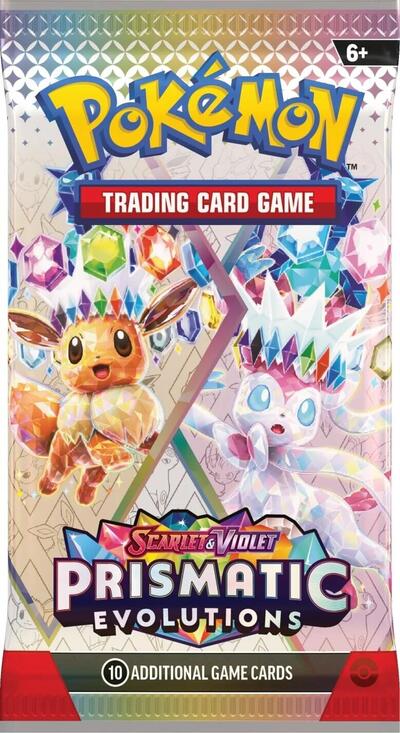
A single 10-card Prismatic Evolutions pack with random contents. This special set has no standard booster boxes, so loose packs mostly come from broken-down ETBs and bundles and often trade above MSRP. Eeveelution SIR odds are long — estimated, not guaranteed — so price singles before chasing.

10 cards/packMSRP $4.49
FINAL FANTASY Collector Booster

FINAL FANTASY Collector Booster

MTGCollector Booster

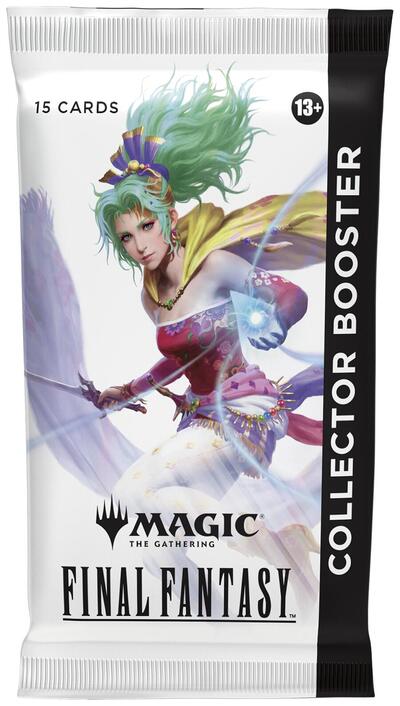
A 15-card premium pack where every slot is foil or special treatment, and where the borderless Sephiroth and Cloud chase cards are most likely to appear. Contents are still random — the premium price buys better treatment density, not a guaranteed chase card. For one specific card, price the single before opening Collector Boosters.

15 cards/packMSRP $24.99
Two Legends Booster Box

Two Legends Booster Box

One PieceBooster Box

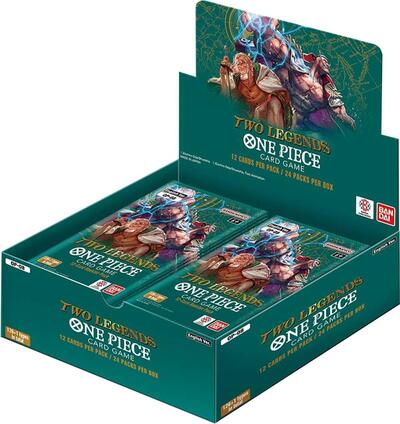
A standard 24-pack Two Legends booster box. Expect roughly 1–2 Secret Rares per box by community observation, with manga rares like the Ace considerably rarer and never guaranteed. A sensible box for One Piece players building a collection while keeping some chase upside.

24 packsMSRP $107.76
Quarter Century Bonanza Booster Pack

Quarter Century Bonanza Booster Pack

Yu-Gi-Oh!Booster Pack

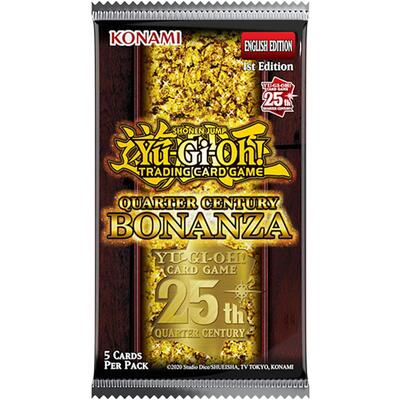
A pack from the Quarter Century Bonanza reprint collection, built around 25th-anniversary foil treatments of iconic cards like Dark Magician. Reprint-collection packs carry higher foil density than core boosters, but cards per pack and rarity configuration vary by product — verify both on the listing. All contents are random; no specific foil is guaranteed.

9 cards/packMSRP $4.49

Frequently asked questions

What is a chase card?

The most sought-after cards in a set — usually top-rarity alternate arts, secret rares or premium treatments. They drive excitement around a set, and most packs will not contain one.

Is it ever cheaper to pull a card than buy it?

Occasionally someone gets lucky early, but on average the expected cost of pulling a rare chase card exceeds its single price. Plan on the average, not the anecdote.

Do Collector Boosters guarantee valuable cards?

No. They guarantee more foils and premium treatments per pack, but which cards appear is still random, and pack price rises to match. Value in any specific pack is never assured.

Which game has the friendliest chase odds?

It depends on the tier you are chasing. Pokémon’s Illustration Rares (observed ≈ 1 in 6–8 packs) hit far more often than Lorcana Enchanted cards (observed ≈ 1 in 80–100). Top-tier chases are rare in every game.

Sources

  • TCG Pax internal editorial analysis (community-observed ranges)Non-official · reviewed Jul 25, 2026
  • TCGplayer marketplace (listings & search)Non-official · reviewed Jul 24, 2026
  • TCG Pax editorial teamNon-official · reviewed Jul 24, 2026

Keep reading

Statistics

How Pull Rates Work: Odds, Sample Size, and What Stats Can’t Promise

A pull rate is the estimated frequency of a card or rarity appearing in packs — for example, "about 1 in 100 packs." Most pull rates are observed from community openings, not published by publishers, so they are estimates with real uncertainty. Even a solid estimate never guarantees results: at 1 in 100, opening 100 packs gives you only about a 63% chance of at least one hit.

Updated Jul 24, 2026

Buying

Packs or Singles? The Honest Math Behind the Choice

For any specific card, singles win: you pay a known price and get exactly the card, while packs offer only a small chance per pack at a similar or higher total cost. Packs win when the goal is the experience itself — opening fun, set breadth, draft night, or a gift. The mistake is using one tool for the other job.

Updated Jul 24, 2026

Basics

Understanding Rarity: Every Tier in the Six Major TCGs

Rarity describes how often a card type appears in packs, from commons (several per pack) up to chase tiers that appear once in dozens of packs or less. Each game names its tiers differently — Pokémon tops out at Special Illustration and Hyper Rares, Magic at Mythics with premium treatments, Yu-Gi-Oh! at Quarter Century Secrets, Lorcana at Enchanted. Higher rarity generally means lower pull odds and higher price, but demand, not rarity alone, sets a card’s value.

Updated Jul 24, 2026