Skip to content

TCG Pax uses affiliate links. We may earn a commission from TCGplayer at no extra cost to you. Learn more

TCGPax

Where to Buy Pokémon Cards: Every Channel, Honestly Compared

Last reviewed:

Quick answer

The best place to buy Pokémon cards depends on what you are buying: TCGplayer’s marketplace is strongest for singles and price comparison, big-box retailers are the most reliable source of sealed product at MSRP, local game stores add community and instant availability, and the Pokémon Center offers guaranteed-authentic sealed with exclusives. Whatever the channel, compare against MSRP, check seller reputations, and treat far-below-market sealed prices as a warning sign.

Good to know

Disclosure: Some links on TCG Pax are affiliate links. We may earn a commission if you click and buy through TCGplayer, at no extra cost to you. Affiliate links are marked, and our recommendations are not determined by commission.

Match the channel to the purchase

No single store is best for everything. Singles, sealed at MSRP, out-of-print product and gifts each have a natural home, and most experienced collectors use two or three channels routinely. Here is the honest map.

Where to buy Pokémon cards, by channel
ChannelStrongest forWatch out for
TCGplayer marketplaceSingles; price comparison; out-of-print sealedSeller variance — check ratings and total price
Big-box retail (Target, Walmart, etc.)Current sealed at MSRPEmpty shelves on hot sets; no singles
Local game store (LGS)Community, events, instant pickupPrices sometimes above MSRP; stock varies
Pokémon Center (official store)Guaranteed-authentic sealed; exclusive ETBsSells out fast; no singles; MSRP only
General marketplaces (eBay, Amazon 3P)Occasionally good dealsHighest scam risk for sealed; vet sellers hard

Buying singles: the marketplace case

For specific cards, a dedicated marketplace like TCGplayer is hard to beat: thousands of sellers compete on the same card, condition grades are standardized, and the Market Price figure gives you a sanity check against overpaying. Sort by price plus shipping, weigh seller ratings, and singles buying becomes routine. This is also the channel that keeps pack buying honest — knowing what a chase card costs as a single is the baseline for every sealed decision.

Buying sealed: retail first, then compare

For current sets, big-box retail and the Pokémon Center at MSRP are the boring, correct answer. When a set sells out at retail — routine for hyped sets like Prismatic Evolutions — resist paying the first resale price you see: check multiple channels, and remember that restocks and reprints regularly deflate panic prices. For out-of-print sealed, marketplaces are the main option; there, seller reputation matters more than price.

What to check before any purchase

  1. Price vs MSRP (sealed) or Market Price (singles): know the fair number before looking at listings.
  2. Seller reputation: high feedback percentage across a large sales history, especially for sealed.
  3. Condition and photos: for singles, match the grade to your purpose; for expensive cards, prefer listings with photos.
  4. Total cost: shipping and taxes routinely reorder which listing is actually cheapest.
  5. Return policy: a channel that takes returns is worth a small premium on big purchases.

Scam avoidance: the big three

  • Too-good-to-be-true sealed: hyped boxes priced far below market are the classic fake or reseal — the discount is the bait.
  • Weighed packs: loose packs from unknown sellers may have been weighed to skim the hits, an old scam that modern pack design reduces but marketplace loose packs still invite. Buy loose packs only from trustworthy sources.
  • Resealed product: boxes and ETBs can be opened, stripped and rewrapped. Damaged shrink wrap, wrong wrap texture and below-market prices are the warning signs; established sellers are the defense.

Warning

If a sealed deal looks too good to be true, it almost certainly is. Buying from reputable, high-history sellers costs a little more and is worth every cent.

A sensible default setup: big-box retail or Pokémon Center for current sealed at MSRP, TCGplayer for singles and price checks, and your LGS for community and the occasional pickup. Add general marketplaces only once you are confident vetting sellers.
Products mentioned

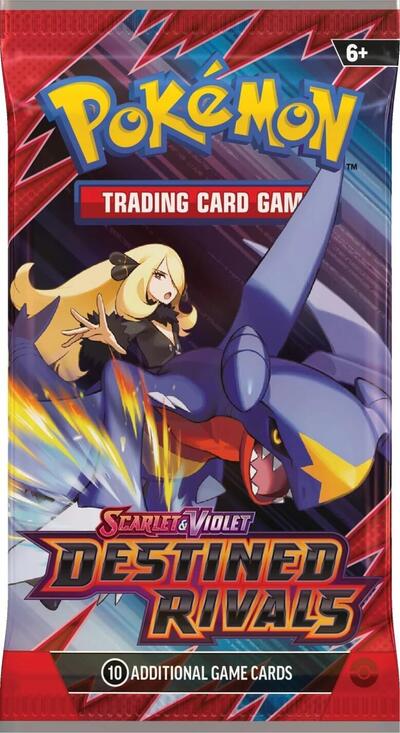
Destined Rivals Booster Pack

Destined Rivals Booster Pack

PokémonBooster Pack

A single 10-card Destined Rivals booster with random contents. Team Rocket Special Illustration Rares are the estimated top pulls, but no specific card is guaranteed in any pack. A fine impulse open; for a specific card, compare the cost of the single first.

10 cards/packMSRP $4.49
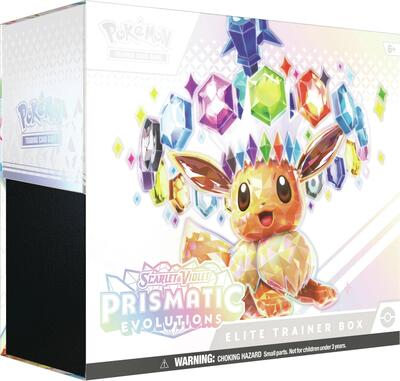
Prismatic Evolutions Elite Trainer Box

Prismatic Evolutions Elite Trainer Box

PokémonElite Trainer Box

Nine random Prismatic Evolutions packs plus themed accessories and an exclusive promo. Because the set skipped standard booster boxes, ETBs became a primary way to open it, and street prices have run well above the 49.99 MSRP — check current listings. Packs inside are ordinary boosters with no special odds.

9 packsMSRP $49.99
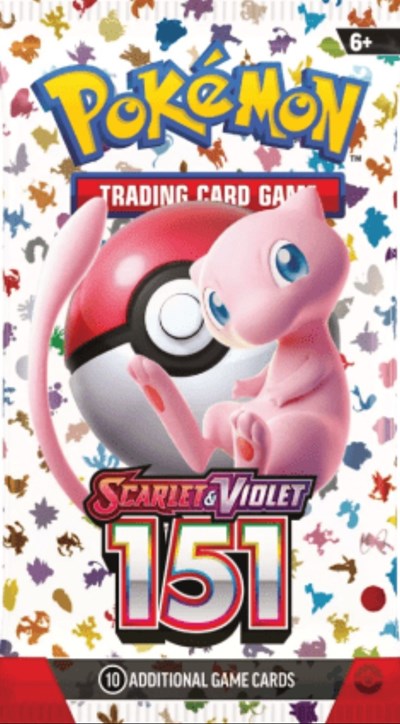
Scarlet & Violet—151 Booster Pack

Scarlet & Violet—151 Booster Pack

PokémonBooster Pack

A single 10-card pack from the nostalgia-driven 151 set. The set has no standard booster boxes, so loose packs come from bundles, ETBs and collection boxes, and often price above MSRP. Charizard ex SIR odds are long and estimated — if that card is the goal, price the single first.

10 cards/packMSRP $4.49
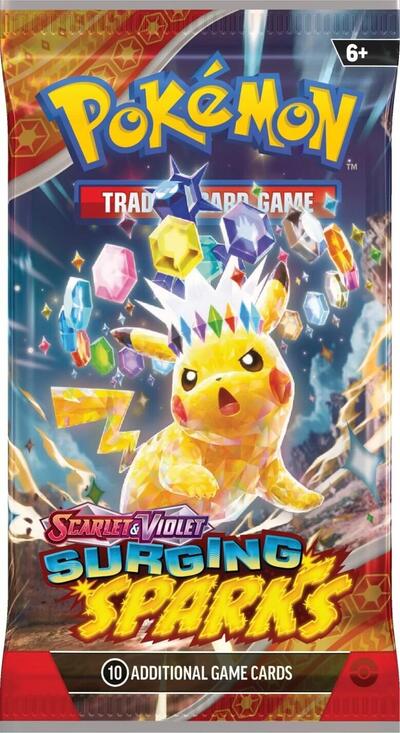
Surging Sparks Booster Pack

Surging Sparks Booster Pack

PokémonBooster Pack

A single 10-card Surging Sparks booster with random contents. The Pikachu ex Special Illustration Rare is the estimated headline pull, at long community-observed odds. A solid mainline set to open casually, with playable ex cards softening the misses.

10 cards/packMSRP $4.49

Frequently asked questions

What is the best place to buy Pokémon cards online?

For singles, a dedicated marketplace like TCGplayer offers the best price comparison and standardized conditions. For current sealed product, big-box retailers and the official Pokémon Center at MSRP are the safest defaults.

Is it safe to buy Pokémon cards on Amazon or eBay?

It can be, but these channels carry the highest rate of fake and resealed sealed product. Vet seller history carefully, avoid below-market sealed prices, and prefer dedicated card marketplaces when in doubt.

Should I ever buy loose packs from resellers?

Be cautious. Loose packs are the easiest product to tamper with or weigh. Packs from a sealed product you open yourself, or from a trusted store, are the safer route.

Why are some sets impossible to find at MSRP?

Demand spikes outpace print runs, and hyped sets sell out at retail within minutes of restocks. Reprints usually improve supply over months — patience beats panic-paying resale prices more often than not.

Does TCG Pax earn commission on purchases?

On some TCGplayer links, yes — at no extra cost to you. Affiliate links are marked, and our channel comparisons here are editorial judgments, not paid placements.

Sources

Keep reading

Buying

How to Use TCGplayer: A Buyer’s Guide to the Marketplace

TCGplayer is a marketplace where thousands of independent sellers list singles and sealed product, so the same card appears at many prices and conditions. Buying well means comparing total price (item plus shipping), reading condition grades, checking seller ratings, and understanding TCGplayer Direct. Disclosure: TCG Pax earns a commission on some TCGplayer links, at no extra cost to you.

Updated Jul 24, 2026

Game Guide

Pokémon Pack Guide: Every Product Type, Honestly Explained

Pokémon sells the same 10-card booster pack in many wrappers: booster boxes (36 packs) for volume, Elite Trainer Boxes (9 packs plus accessories), booster bundles (6 packs, no extras), and tins and collections that pair packs with promos. The best buy depends on your goal — boxes for per-pack price, bundles for casual opening, ETBs for new players and gifts. Special sets like Prismatic Evolutions and 151 skip standard booster boxes entirely.

Updated Jul 24, 2026

Buying

Packs or Singles? The Honest Math Behind the Choice

For any specific card, singles win: you pay a known price and get exactly the card, while packs offer only a small chance per pack at a similar or higher total cost. Packs win when the goal is the experience itself — opening fun, set breadth, draft night, or a gift. The mistake is using one tool for the other job.

Updated Jul 24, 2026