Waifu Card Packs: Anime Character TCGs Explained
Last reviewed:
Quick answer
"Waifu cards" is the collector shorthand for anime character cards — the packs range from Bandai’s licensed Union Arena and Bushiroad’s Weiss Schwarz to the enormously popular unlicensed Goddess Story line. Like any booster, they are random and guarantee nothing; if you want one specific character card, buying the single is the predictable route.
What are "waifu cards"?
In the collecting hobby, "waifu cards" is casual shorthand for trading cards built around anime and manga characters — usually sold in random booster packs, prized for their artwork, and chased for rare alternate-art or signed treatments the same way collectors chase a Charizard or a manga-rare Luffy. The term covers a spectrum: officially licensed anime trading card games you can actually play, and collectible-only character card lines that exist purely for opening and displaying. Knowing which is which is the single most useful thing before you spend money.
The main kinds of waifu card packs
Three product families cover most of what people mean by waifu cards, and they behave very differently at the pack level. Official licensed TCGs are playable games with defined rarity structures and a secondary market for chase cards; collectible-only lines skip the gameplay and lean entirely on art and rarity.
| Product | Publisher | Playable TCG? | What it is |
|---|---|---|---|
| Union Arena | Bandai (official, licensed) | Yes | Multi-anime crossover TCG; boosters carry standard rarities plus alternate-art and rarer chase treatments |
| Weiss Schwarz | Bushiroad (official, licensed) | Yes | Long-running anime crossover TCG; signed (SP) and secret cards are the premium chase |
| Goddess Story | Kayou / third-party (unlicensed) | No | Collectible-only anime character cards; cheap packs, heavy on art and tiered "rarity" inserts |
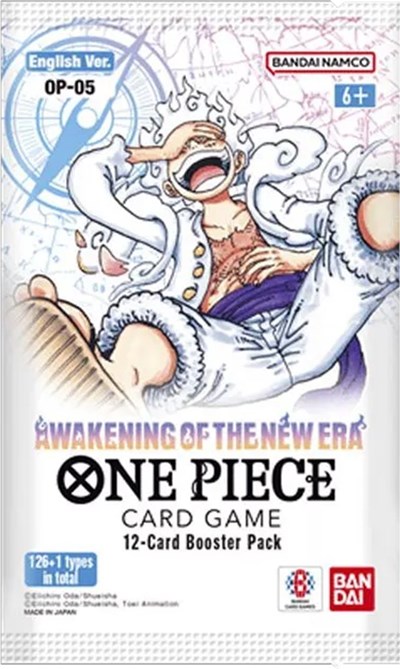
| Character-art chases in mainstream TCGs | Various official publishers | Yes | Manga rares and alternate arts inside One Piece, and anime crossovers like Magic’s Final Fantasy set |
Warning
Licensed vs unlicensed matters. Lines like Goddess Story are not official, publisher-licensed products, and their print quality, "rarity" tiers and resale values are far less standardized than an official TCG’s. That does not make them bad to collect — plenty of people enjoy them cheaply — but treat any advertised odds or "guaranteed hit" claims on unlicensed products with extra skepticism.
How the packs work (and what they don’t promise)
Whatever the wrapper, an anime booster is still a sealed pack of random cards. Pack size, the number of guaranteed foils, and how the rare slots are structured vary by product and even by print run, so the listing is the only reliable source for a given product’s configuration. Pull rates for the chase tiers are almost never published officially, which means any figure you see is a community-observed estimate at best — useful for setting expectations, never a promise. Opening is random; the cardboard has no memory of the last pack.
Estimates, not guarantees
Any pull-rate number for anime chase cards is an estimate from limited community samples, not an official rate. Opening packs is random, and no pack, box or product guarantees a specific character card unless the product explicitly says so.
A deeper dive into waifu cards
This niche is broad enough to deserve its own coverage. For set-by-set breakdowns of anime character card products — which lines are licensed, how their rarity tiers stack up, and which packs are worth opening — our sister site goes deep on waifu cards in a way a single guide here cannot. TCG Pax stays focused on the mainstream sealed-pack games; if anime character collecting is your lane, start there and come back for the odds math.
Should you open packs or buy the single?
The same honest rule applies here as everywhere on TCG Pax: if you want one specific character card, price the single first — it is almost always cheaper and always more predictable than opening packs until it appears. Packs are for the fun of opening, for collecting broadly, or for cheap volume; a chase is a purchase. Run the numbers before a big spend with our pack odds calculator, and read should you buy packs or singles for the full reasoning.