Skip to content

TCG Pax uses affiliate links. We may earn a commission from TCGplayer at no extra cost to you. Learn more

TCGPax

Best TCG Packs for Beginners: An Honest Starting Guide

Last reviewed:

Quick answer

Beginners get the most from a starter deck first — it teaches the game with a known card list — and a small number of booster packs second, for the fun of opening. A sensible starting budget is $25–50: a preconstructed deck plus a few packs or a booster bundle. Skip premium products like Collector Boosters until you know the game and know you love it.

The two-step beginner formula

Every game on this site rewards the same starting sequence: learn with a fixed-list deck, then open a handful of boosters. Fixed decks are cheap, playable out of the box, and designed to teach. Boosters deliver the excitement — but random cards are a frustrating way to learn rules, and an expensive way to assemble a first deck.

Best starting point per game

Beginner-friendly first purchases by game
GameLearn withThen open
Pokémon TCGBattle Academy or a League Battle DeckA booster bundle (6 packs) of a current set
Magic: The GatheringA Starter Kit or Commander preconA few Play Boosters of a recent standard set
Yu-Gi-Oh!A structure deck (buy up to three for consistency)A few packs of a current core set
One Piece Card GameA starter deck for a crew you likeA few packs of a recent set
Disney LorcanaA starter deckA few packs of the newest set
Star Wars UnlimitedA two-player starter setA few packs of the current set

Why starter decks come first

  • Known contents: you get a working deck for the sticker price, with zero randomness.
  • Designed to teach: precons introduce mechanics at a learnable pace.
  • Cheap to try: most starter products cost $15–30, so trying a game is low-risk.
  • A base to upgrade: once you know what you enjoy, singles upgrade a precon efficiently.

Where boosters fit for a beginner

Boosters are the celebration, not the curriculum. A booster bundle — six packs, in Pokémon terms — is the sweet spot: enough packs to feel the ritual of opening, small enough that a no-hit outcome costs little. Current mainline sets are better first opens than premium or special sets, because the packs are cheaper and the card pool matches what starter decks use.

Warning

Packs are random. Expect most beginner packs to contain commons, uncommons and standard rares — a big chase pull is the exception, not the promise. Budget for the fun, not the outcome.

A sensible beginner budget

Around $25–50 covers a deck plus a bundle of packs in every game here. If the budget is $25, spend it all on the deck and one or two packs. If it is $100, resist the urge to jump to a booster box — a second precon (so a friend can play) plus more singles for upgrades will do far more for your enjoyment per dollar.

What beginners should skip

  • Collector Boosters and premium boxes: priced for established collectors, wasted on learning.
  • Booster boxes: fine later; as a first buy they deliver 300+ random cards and no working deck.
  • Out-of-print sets at collector prices: nostalgia sets like Evolving Skies cost multiples of current sets per pack.
  • Anything bought to "make money": sealed product is not a savings account, and we will never pitch it as one.

Estimates, not guarantees

Product availability and prices shift by season and region. Treat the recommendations here as a starting map, and check current listings before buying.
Products mentioned

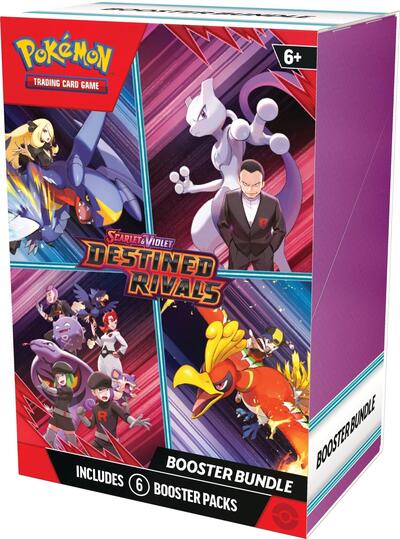
Destined Rivals Booster Bundle

Destined Rivals Booster Bundle

PokémonBooster Bundle

Six random Destined Rivals booster packs in a simple box with no accessories — usually the cheapest per-pack way to buy sealed at retail. Contents are random and no hit is guaranteed. Compare the per-pack price against loose packs and the ETB before buying.

6 packsMSRP $26.94
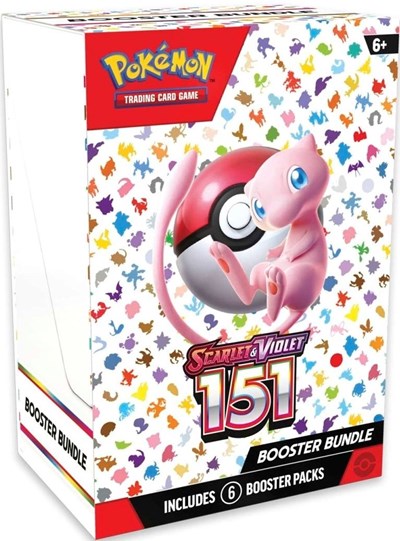
Scarlet & Violet—151 Booster Bundle

Scarlet & Violet—151 Booster Bundle

PokémonBooster Bundle

Six random 151 packs in a plain box — the closest thing this special set has to a per-pack value buy, since standard booster boxes were never sold. It has remained in demand long after release, so expect prices above the original MSRP. All packs are random; no pull is guaranteed.

6 packsMSRP $26.94
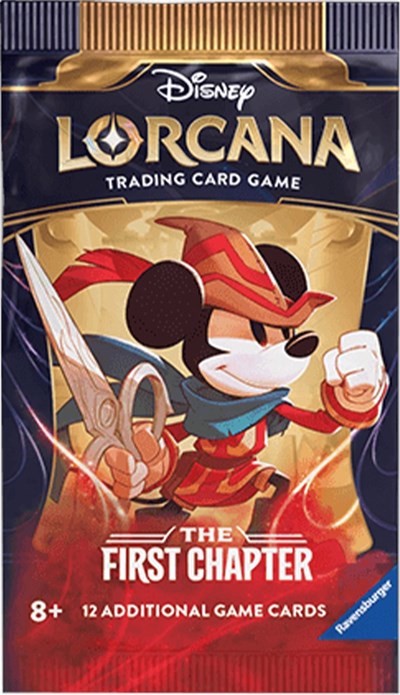
The First Chapter Booster Pack

The First Chapter Booster Pack

LorcanaBooster Pack

A 12-card pack from Lorcana's debut set. Enchanted rares like Elsa, Spirit of Winter are the chase, at community-observed odds around 1 in 80–100 packs — a single pack is overwhelmingly likely to miss that tier. First-print packs carry collector interest; later reprints are more affordable, so check which printing a listing ships.

12 cards/packMSRP $5.99
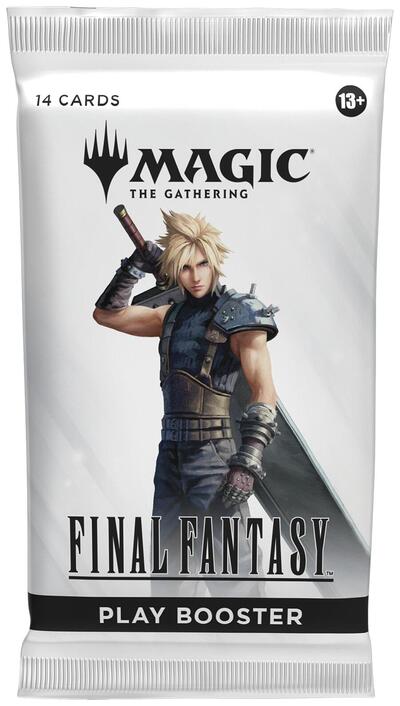
FINAL FANTASY Play Booster

FINAL FANTASY Play Booster

MTGPlay Booster

A 14-card Play Booster from the FINAL FANTASY set, designed for drafting and general opening. Borderless character treatments can appear, but they are concentrated in Collector Boosters — a Play Booster is the gameplay-first way to open this set. Heavy demand pushed street prices above MSRP at times; check the current listing.

14 cards/packMSRP $5.49

Frequently asked questions

Should a beginner buy a booster box?

Not as a first purchase. A booster box costs $100+ and yields hundreds of random cards without producing a playable deck. Start with a precon deck and a few packs instead.

Which TCG is easiest to start?

Lorcana and Star Wars Unlimited have the gentlest learning curves of the games we cover; Pokémon is close behind with excellent starter products. Magic and Yu-Gi-Oh! are deeper but have strong beginner precons.

Are older packs better for beginners?

Usually not. Older sets often cost more per pack due to collector demand, and their cards may rotate out of standard play. Current sets are cheaper and more relevant.

How many packs should a beginner open?

A bundle of about six packs is plenty to enjoy the experience. Opening more does not teach you anything new about the game — put extra budget toward a second deck or singles.

Sources

Keep reading

Strategy

How to Choose a TCG Pack: A Decision Framework by Goal

The right pack depends on your goal, not on hype. Beginners should start with a starter deck plus a few packs; players should buy the cheapest route to playable cards (often singles); chase hunters should price the single before opening anything; sealed collectors should buy what they will enjoy owning either way; and gift buyers should default to an Elite Trainer Box or a small pack bundle.

Updated Jul 24, 2026

Basics

What Is a Booster Pack? Card Counts, Randomness, and When to Buy One

A booster pack is a factory-sealed pack of randomized trading cards from a specific set. Card counts vary by game: 10 in Pokémon, 14 in a Magic Play Booster, 9 in Yu-Gi-Oh!, 12 in One Piece and Lorcana, and 16 in Star Wars Unlimited. You never know exactly which cards are inside — that randomness is the appeal, and also the reason singles are often the smarter buy for a specific card.

Updated Jul 24, 2026

Buying

Packs or Singles? The Honest Math Behind the Choice

For any specific card, singles win: you pay a known price and get exactly the card, while packs offer only a small chance per pack at a similar or higher total cost. Packs win when the goal is the experience itself — opening fun, set breadth, draft night, or a gift. The mistake is using one tool for the other job.

Updated Jul 24, 2026